Military Justice in Ukraine: Why Human Rights Defenders Warn Against Creating Special Courts
The debate over reinstating military courts and prosecutors has intensified amid the full-scale war. The "Prprinciple" human rights center explains why specialized civilian judges are better suited to protect military personnel's rights.
 🎓Education
Photo: Ukrainska Pravda
Key points
- The Verkhovna Rada's special commission is evaluating military justice proposals.
- The Pryncyp center warns against the risk of command influence over military judges.
- Civilian courts have already developed extensive experience in military cases.
- Experts support judge specialization within the civil judiciary instead of separate military courts.
The Debate Surrounding Military Justice During Wartime
The issue of developing a military justice system has returned to the legislative spotlight due to the challenges of the full-scale war. A temporary special commission of the Verkhovna Rada is currently reviewing initiatives regarding the potential reinstatement of military courts, prosecutor offices, and investigators. Proponents of these changes primarily argue that military cases should be handled by individuals with service experience who can fully grasp the specific context of military life.
However, legal experts from the "Pryncyp" human rights center for military personnel urge a critical approach, prioritizing high-quality law enforcement and robust safeguards for defenders' rights. Unlike the strict principles of command hierarchy and subordination that govern the military, the Ukrainian judicial system is built entirely on the foundations of independence and impartiality.
Risks to Independence and the Stance of Human Rights Advocates
Establishing a separate system of military judges poses numerous practical and systemic threats. Notably, questions arise regarding who assigns military ranks to judges, creating potential avenues for undue influence from the Ministry of Defense or the General Staff. Furthermore, a military-judge status would subject them to internal disciplinary codes and command structures, potentially compromising the objectivity of their rulings.
As experts point out, civilian judges have accumulated substantial and balanced experience in handling military-related cases throughout the full-scale invasion. Where specialized knowledge is lacking, the law already permits involving expert professionals. Therefore, human rights advocates advocate for specialized judges within the existing civilian court system rather than creating a separate departmental judiciary branch.
Source Ukrainska Pravda — pravda.com.ua/news/2026/11/20/8063800/ ↗
Read next
 🩺Health
Rescue operation in Dymer: 7-year-old boy survives after 14 hours under rubble
In the village of Dymer, Kyiv region, rescuers pulled 7-year-old David from the ruins of a residential building destroyed by a Russian drone; he had spent nearly 14 hours…
 🛡️Security
Polish investigators confirm three Russian missiles breached national airspace
The Polish Prosecutor's Office has updated the findings of the November 20 incident, confirming that three, rather than two, Russian Kh-101 missiles entered Polish airspa…
 ⚽Sport
AC Milan secures dominant 5-1 victory over Frosinone in Serie A
AC Milan climbed into the top four of Serie A after a commanding 5-1 win against Frosinone at San Siro.
 🏙️City
Power Grid Under Pressure: Scheduled Outages Introduced for Monday
National energy company Ukrenergo has announced scheduled electricity supply restrictions for both residential and industrial consumers on Monday, November 23.
 💡Tech
Germany Tests Ukrainian Delta Combat Management System for Bundeswehr Integration
The German army is testing the Ukrainian-developed Delta combat management system, designed to counter Russian forces, for potential integration into its operations.
 🎭Culture & Sport
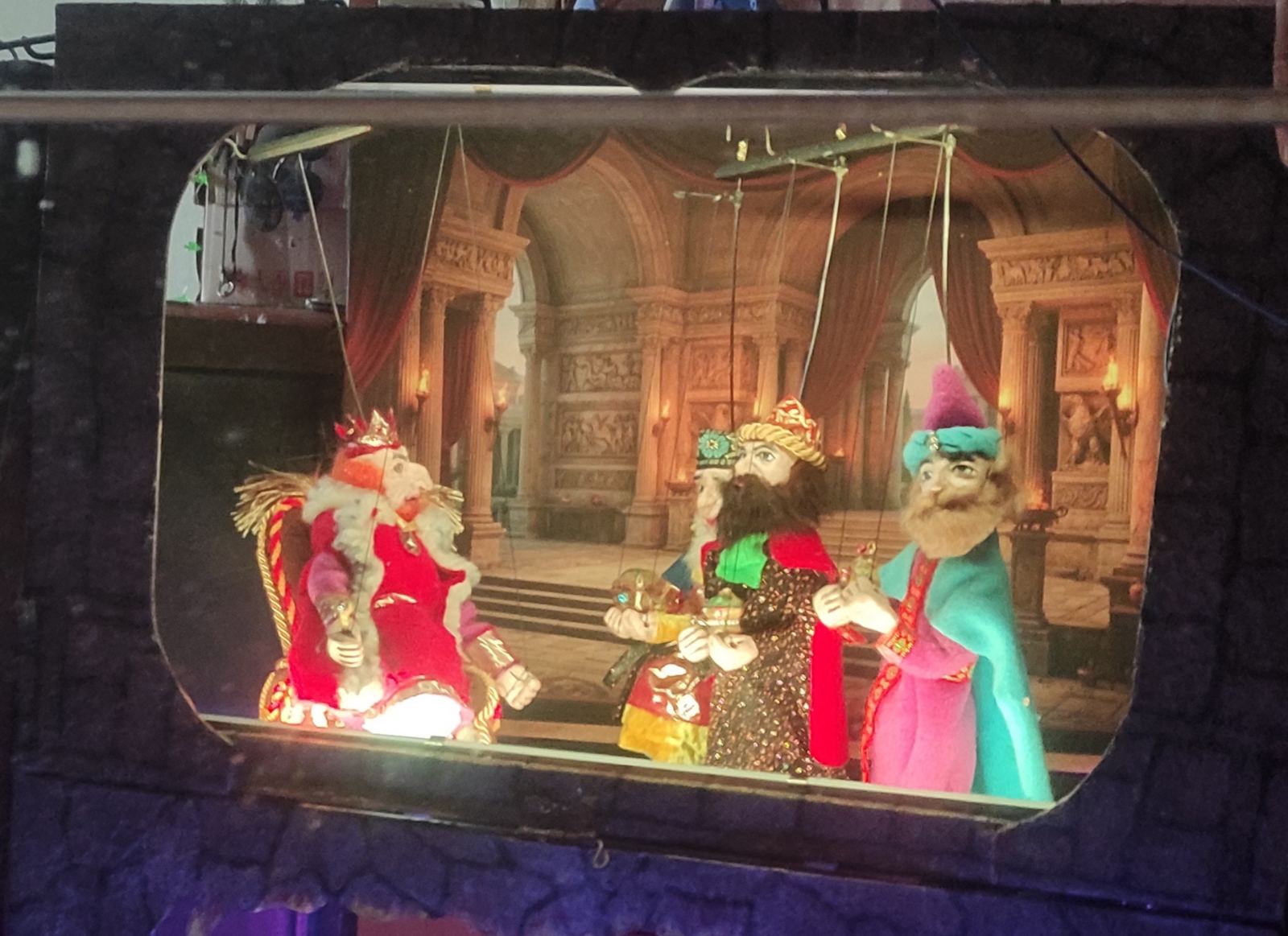
Puppeteer Serhii Soloviov from Zhytomyr is preparing a Christmas nativity scene with special effects
Famous Zhytomyr street puppeteer Serhii Soloviov is working on a large-scale Christmas nativity scene featuring unique lighting and three-tier decorations.