Scientists discover new danger of microplastics: chemical activity in water
Research from Columbia and UC Berkeley proves that microplastics can trigger harmful chemical reactions upon contact with water.
 🩺Health
Photo: TSN
Key points
- Microplastics in water generate reactive oxygen species
- Polyethylene and polypropylene are the most chemically active
- Heating plastic in microwaves accelerates particle release
Microplastics, long considered passive environmental pollutants, have proven to be significantly more dangerous than previously thought. A new joint study by scientists from Columbia University and the University of California, Berkeley, has demonstrated that plastic particles are capable of triggering active chemical reactions simply by coming into contact with water.
Mechanism of cellular impact
When plastic interacts with an aqueous environment, reactive oxygen species (ROS) form on its surface. These compounds, including hydroxyl radicals, can damage proteins, DNA, and cellular structures. Researchers tested six common types of plastic, including polyethylene and polypropylene, and found that all of them exhibit a degree of chemical activity.
- Polyethylene and polypropylene were found to be the most active.
- As plastic breaks down into smaller fragments, the surface area available for chemical reactions increases.
- Experiments with mouse red blood cells showed cellular destruction after contact with polystyrene.
Scientists emphasize that sources of microplastics include not only waste but also everyday household activities: washing synthetic clothing, heating plastic containers in microwaves, and storing beverages in direct sunlight. Although the research was conducted in laboratory settings, it provides a new perspective on potential human health risks associated with the chemical activity of polymers.
Source TSN — tsn.ua/zdorovya/mikroplastyk-vyiavyvsia-nebezpechnishym-niz-vvazaly-shc… ↗
Read next
 🛡️Security
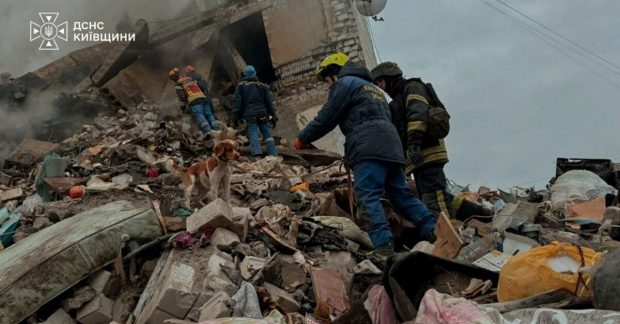
Rescue operation in Dymer: 7-year-old boy pulled from rubble after 14 hours
Following a Russian drone strike on a residential building in Dymer, rescuers saved a child. Search operations at the site are ongoing.
 🎭Culture & Sport
Oleksiy Danilov's granddaughter joins 'The Voice of Ukraine' season 14
19-year-old Maria Danilova performed at the blind auditions of the vocal show, speaking out about the pressure she faces due to her famous surname.
 🏙️City
Preparing for Winter: How to Protect Your Home from Rodents in Korosten
As temperatures drop, Korosten residents are advised to seal their homes and outbuildings to prevent rodent infestations.
 🛡️Security
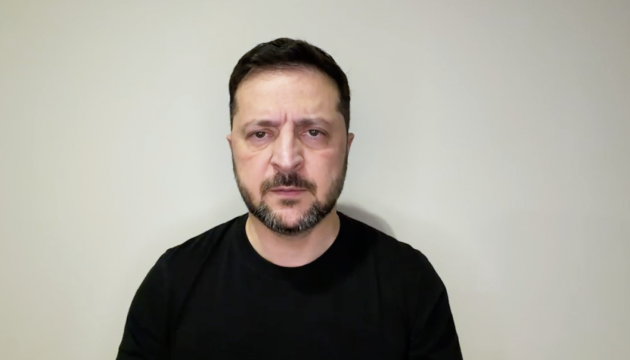
Consequences of Russian attacks in Kyiv region: death toll rises in Dymer
President Volodymyr Zelensky announced an increase in the death toll following a hostile drone strike on a residential building in Dymer.
 🛡️Security
Polish investigators confirm three Russian missiles breached national airspace
The Polish Prosecutor's Office has updated the findings of the November 20 incident, confirming that three, rather than two, Russian Kh-101 missiles entered Polish airspa…
 ⚽Sport
AC Milan secures dominant 5-1 victory over Frosinone in Serie A
AC Milan climbed into the top four of Serie A after a commanding 5-1 win against Frosinone at San Siro.